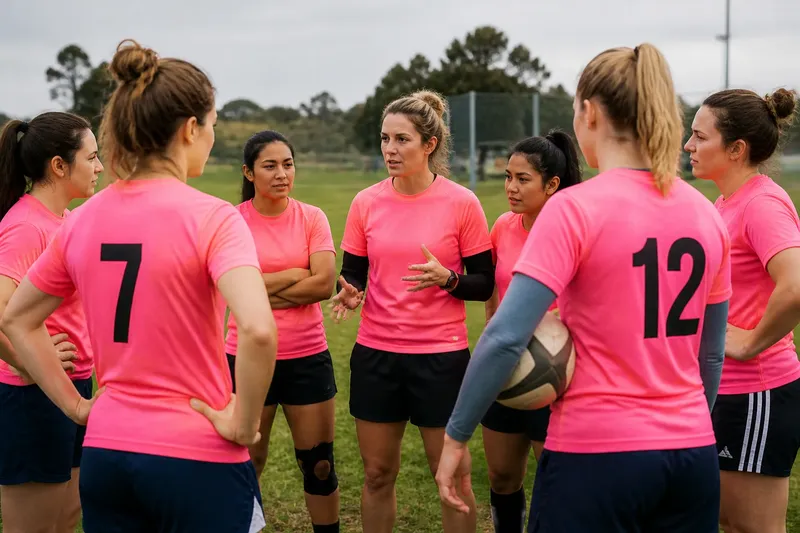
A First Afternoon at a Multi-Event Sports Meet
Plan a first afternoon at a multi-event sports meet with clear venue choices, practical transitions, and simple notes that help you follow what interests you.
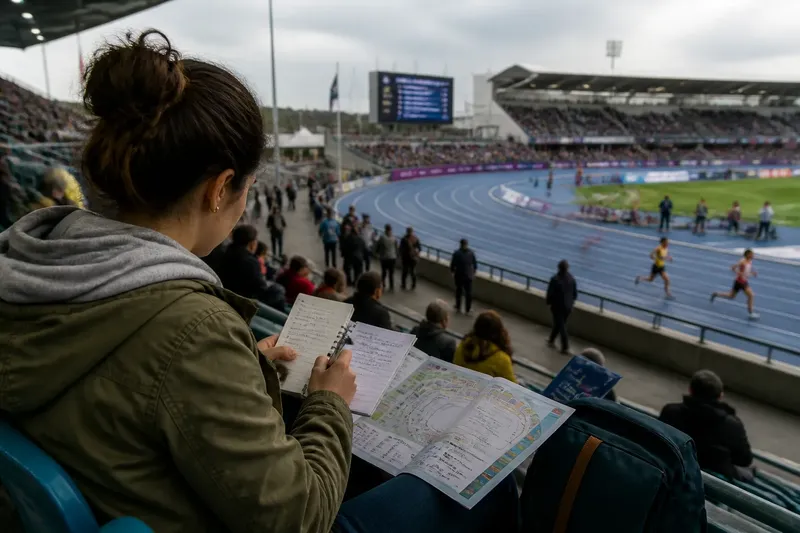
Which event should you watch when several contests are happening at once? For a first afternoon at a multi-event sports meet, choose based on what you want to see, then use the schedule and venue map to make each transition clear. You can follow one sport closely or sample different settings without needing to catch every contest.
Choose events by the experience you want
Start with the event schedule and venue map, if they are available. The schedule shows which contests overlap; the map helps you judge whether a move between arenas, courts, tracks, or fields is practical.
Pick events for distinct reasons. One might appeal because you know its rules, another because you are curious about its technique, and a third because a friend wants to see it. That mix gives the afternoon variety without making every choice depend on the same kind of contest.
- If the schedule shows a familiar sport at a convenient venue, choose it as a comfortable starting point; if it conflicts with a priority event, choose the priority event instead.
- If an unfamiliar contest has an accessible explanation in the program or official event page, consider it; if the rules remain unclear, choose a contest whose objective is easier to follow.
- If a possible extra event is near your other choices and its timing fits, add it; if it requires a rushed crossing, leave it off and watch the contest already underway.
- If you are attending with someone, ask which event they most want to see; if your preferences differ, agree on one shared contest and choose another separately.
- If a contest includes a feature you want to observe, such as team tactics or precise technique, note that feature; if you cannot identify one, choose an event that simply sounds enjoyable to watch.
- If the venue map marks a route you can use comfortably, keep that route in mind; if the route or seating access is uncertain, check the venue’s accessibility information or ask staff before choosing.
These choices make the schedule useful as a set of options, not a scorecard. A close contest, a change in conditions, or a crowd ritual may be more memorable than the event you expected to prefer.
Read the schedule as a set of event details
Check whether the program lists heats, rounds, sessions, or finals. Those labels describe different parts of a competition, and a session may include a pause or a change of competitors. If you are unsure what a listing means, look at the organizer’s official schedule or ask an event volunteer.
Save the relevant schedule page in a phone screenshot or write the event names in a small notebook. If an app and printed program show different information, look for a venue display or ask staff which update is current. Treat the schedule as a reference, since event timing can change.
Say you have an afternoon free, and an invented schedule lists a track contest near the main entrance and a court final in another part of the venue. You want to see the track event and understand how a court final works. First, you mark both listings in your notes. Next, you check the map and see that the walk between them is possible but not immediate, so you decide not to add a third venue. You watch the track contest, then consult the current display before leaving. If the court final is still ahead, you walk there; if it has started or the timing has shifted, you stay for a nearby contest instead. The result is a choice based on the actual schedule and your interest, rather than a rushed attempt to follow every listing.
Make transitions practical and comfortable
Check the venue’s directions for food and drink rules, seating access, and accessible routes. Follow posted signs and staff guidance; policies differ by venue, so consult its own information about an item or access need that matters to you.
At each transition, decide whether you want to move or remain where you are. Moving offers a different view of the meet; staying can make it easier to follow a longer contest and notice how its rhythm changes. Neither choice needs to be permanent: you can reconsider when a round ends or a new event begins.
A folded program, a saved map, and a charged phone can make basic information easy to find. If you prefer not to use your phone during the contests, write down the next venue and its event name before you sit down.
Keep notes that help you understand what you saw
A pocket notebook, your phone’s notes app, or a program margin is enough. Jot down a few words after a contest rather than trying to record every play. Notes about movement, atmosphere, or a question you still have can be more useful later than a list of scores.
- If you remember where you watched, write the event and venue area; if the location is unclear, use the event name alone.
- If a movement or tactic surprised you, describe it briefly; if nothing stands out, note what competitors were trying to accomplish.
- If a crowd sound or team ritual shaped the atmosphere, record what you heard; if the setting felt quiet, note how that changed your attention.
- If a rule or moment puzzled you, turn it into a question to look up; if the rules made sense, note the detail that helped you follow them.
- If another event now interests you, write its name; if no next choice comes to mind, keep the note as a memory rather than forcing a plan.
- If taking notes pulls your eyes away from the action, wait until a break; if a detail is easy to remember, enjoy the contest and write it down afterward.
Imagine you watch a court final and notice that players pause to reset after long rallies. You write, “Court final: resets after long rallies; look up the serve fault rule.” The note records the detail you noticed and gives you a specific question for later, without requiring you to follow the contest through a screen.
What should you do when plans or preferences change?
Should you follow the printed program or the event app?
Use the latest official information available, then keep a simple note of the contests you are considering. If the app and program disagree, check a venue display or ask event staff where the current update is posted.
How can you follow an event when you do not know its rules?
Begin with the basic objective: what competitors are trying to score, complete, or prevent. A program or official event page may explain the format; if a detail still puzzles you, watch for one recurring action and look up its meaning afterward.
When should you stay instead of moving to another venue?
Stay if the contest still holds your attention or the next venue is difficult to reach comfortably. Move if you are ready for a different event and the venue map and schedule support the transition.
Use one memorable detail to choose what comes next
After the meet, note which event you would willingly watch again and what made it hold your attention. That detail can guide your next choice: perhaps you liked the strategy of a team game, the precision of a technique, or the way spectators responded to a close moment. When planning another visit to a multi-event sports meet, use that preference to find a contest with a similar appeal, then check its schedule and venue information before you go.