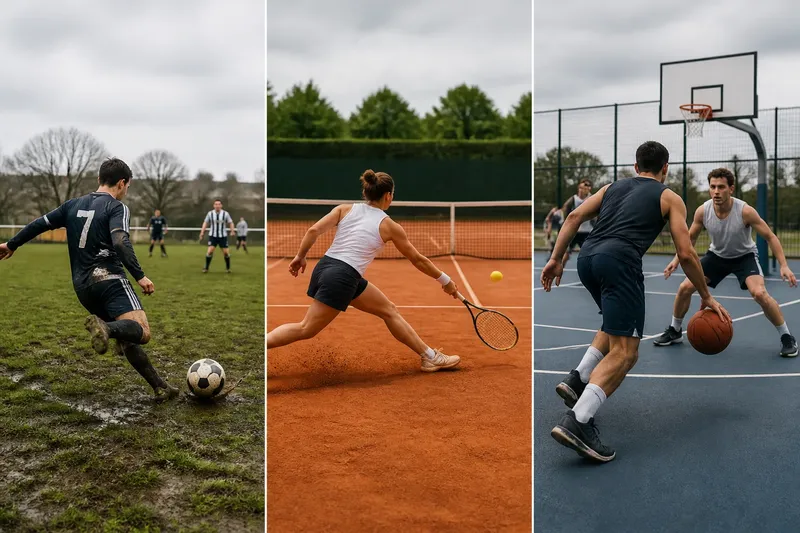
Uniform or Personal Kit: Two Ways to Dress a Team
Uniform or personal kit can help a team feel cohesive and stay easy to identify. Learn how to choose shared clothing while leaving room for comfort and style.
Should a team wear matching uniforms or let players choose personal kit? Uniform or personal kit shapes how easily spectators recognize a side, but the choice also affects comfort, cost, and how much room players have to express themselves. A clear decision starts with the parts of the outfit that matter during play, not with a demand that every garment look identical.
Uniforms and personal kit serve different purposes
A uniform is a shared clothing plan, often built around a team color, shirt, crest, or number style. Personal kit leaves more choices to each player, such as shorts, socks, shoes, or layers worn beneath a jersey. Many teams combine the two: a common top makes the group recognizable, while other pieces reflect individual preference.
“Kit” can refer to both clothing and gear worn for a sport, and the rules differ by activity. A football side may coordinate shirts, shorts, and socks; a running club might share tops while members choose their own shoes. Before agreeing on a look, check the sport’s governing rules for required clothing and equipment.
It helps to separate three questions: what players need for the activity, what the team wants to share visually, and what each person should be free to choose. Keeping those questions distinct prevents a simple preference about color from turning into a debate over every item.
A shared uniform can make a side easier to follow
Matching colors help spectators, teammates, and opponents tell which players belong together, particularly when people are moving quickly. A consistent crest or shirt can also connect a squad to its school, club, or neighborhood. The effect depends on the actual setting: a color that stands out on one field may blend into shaded seating or a dark background elsewhere.
A coordinated look can carry social meaning, too. Players arriving in a common top are visibly part of the same group, which may matter to a youth team or a community club. That does not require every piece to match. Often, the team can establish its identity through one recognizable element and let the rest of the outfit serve individual needs.
The tradeoff is that a strict uniform may not suit every player’s comfort, access needs, or personal style. A team can protect its shared identity without controlling details that do not affect recognition or play.
Personal kit offers choice with a few clear boundaries
Players may have practical reasons to prefer familiar shoes, a particular fit, or a comfortable base layer. Personal choices can also suit an informal club whose members value a relaxed atmosphere more than a polished, identical appearance.
Variation is easiest to manage when players know what is shared and what is flexible. A team might ask everyone to wear the same bright shirt, for example, while allowing different shorts and shoes. That gives spectators a clear visual cue without requiring players to replace clothing they already like.
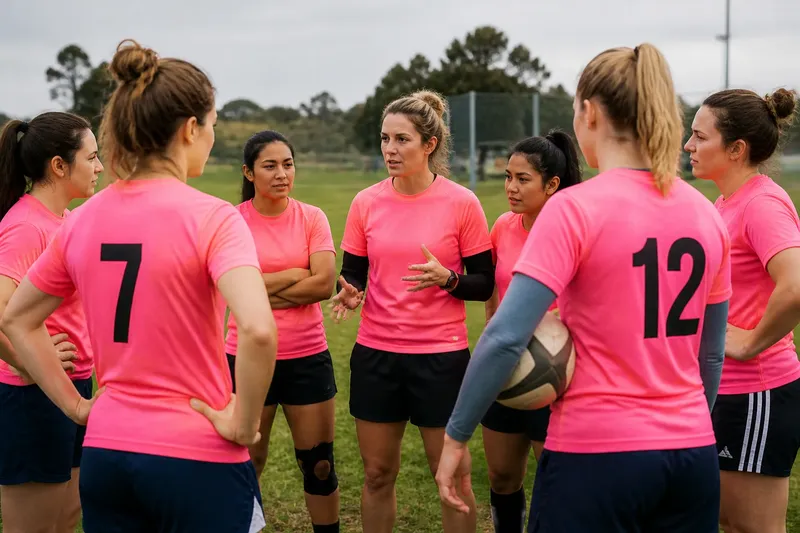
Imagine a community touch-rugby team whose members own different dark shorts and are hard to pick out at a mixed-sport gathering. They agree to wear the same bright club shirt but keep their shorts and shoes. The expected result is a more recognizable group, while each player retains familiar lower-body gear.
Recognition depends on color, contrast, and useful details
Start with the color spectators will see most clearly, usually on the shirt or singlet. If opponents wear a similar shade, or the team’s color disappears against the usual playing background, consider a contrasting top or another prominent shared detail. Numbers and names can help identify individual players, but they should remain visible rather than being covered by personal additions.
Think about the audience as well as the venue. Teammates may recognize one another by voice or movement, while a first-time spectator relies more on color and shape. If the team plays in different locations, view the proposed clothing together in ordinary daylight and at the edge of the playing area before deciding.
How can a team settle on shared clothing?
Keep the agreement specific and limited to what the team actually needs. These checks connect an observable detail to a decision, so players know what to change and what can remain personal.
- Check the proposed shared top: If it gives the group a clear common color, keep it as the team item; if not, choose a more visible shirt or singlet.
- Check the two sides together: If their tops look too similar from the edge of the field, change one side’s color; otherwise, keep the proposed colors.
- Check visibility at the usual venue: If the team color blends into the field, seating, or background, add a contrasting shared detail; if it stands out, no extra detail is needed.
- Check numbers and names: If personal layers or accessories cover them, move or remove the obstructing item; if they remain readable, leave the player’s choices alone.
- Check comfort with the actual clothing: If a player cannot comfortably wear the required item, discuss an acceptable alternative; if it works for them, keep the shared rule.
- Check the sport’s clothing rules: If an item conflicts with governing guidance, replace it with a permitted option; if it complies, retain it as planned.
Say a team proposes navy shirts, different shorts, and player-chosen shoes. At the venue, the navy shirts blend into a shaded background, and a visiting side also wears a dark top. The team changes its shared shirt to a bright color, checks that player numbers remain visible, and leaves shorts and shoes personal. The resulting choice is a distinct team top with flexible pieces that do not interfere with identification.
Revisit the agreement if the setting, roster, or sport changes. A short, clear clothing rule can protect recognition without turning dress into a test of commitment.
What do teams ask about uniforms and personal kit?
Does every player need to wear the same complete outfit?
No. A shared top or color may be enough for spectators to identify the side. The team can leave other items open if they do not obscure identification or conflict with the sport’s rules.
Can players keep their own shoes and accessories?
Often, yes, provided the items are permitted and do not hide numbers or the team’s shared visual cue. Check the governing body’s guidance where the rules are specific.
How can a team coordinate clothing without replacing everything?
Choose one common item, such as a shirt or warm-up top, and let players use suitable clothing they already own for the rest. This approach gives spectators a recognizable cue without requiring a complete matching set.
What if players disagree about the team’s appearance?
Ask which concern matters most to each person: recognition, comfort, tradition, or personal style. Agree on the smallest shared requirement that addresses the team’s needs, then leave remaining details open where possible.
Choose the amount of coordination that fits the team
More uniformity can help when spectators need to identify the side quickly or the team wants a strong club identity. More personal kit can suit a casual group or players with specific comfort preferences, as long as the group remains visually legible. Uniform or personal kit is not an all-or-nothing choice; a shared top with flexible pieces often gives teams a workable balance.
Before settling on the outfit, have players wear the proposed combination together and view it from the edge of the playing area. That small check can show whether the shared color stands out and whether individual choices cover anything important. The team can then adjust one specific detail instead of asking everyone to replace an entire outfit.