The Myth of One Universal Sporting Etiquette
Universal sporting etiquette depends on the game and crowd. Learn how to read the setting, show respect, and avoid awkward moments as a visitor.

What should you do when the crowd around you cheers during a moment you would normally meet with silence? Universal sporting etiquette offers no single answer: a serve, a chant, a handshake, and a post-game greeting can mean different things in different settings. The better guide is the particular game and the people taking part.
That matters at a neighborhood match, a club session, or a major event abroad. Rules of play, venue expectations, and local habits all shape what feels courteous. You do not need to imitate everything around you; you need enough context to respond thoughtfully and keep your own boundaries.
Universal sporting etiquette starts with the rhythm of the event
Audience noise is one of the clearest signs that customs vary. At some events, spectators keep quiet during a serve, shot, or attempt. At others, songs and calls are part of supporting a team. Even within the same sport, a casual local match may feel different from a formal competition.
Pay attention to timing rather than treating volume as the whole story. Notice whether people call out during active play, between points, during a break, or after a particular event. If nearby spectators fall quiet before an attempt, wait too. If a chant is already underway, joining at its natural point may fit better than starting a competing one or speaking over an announcement.
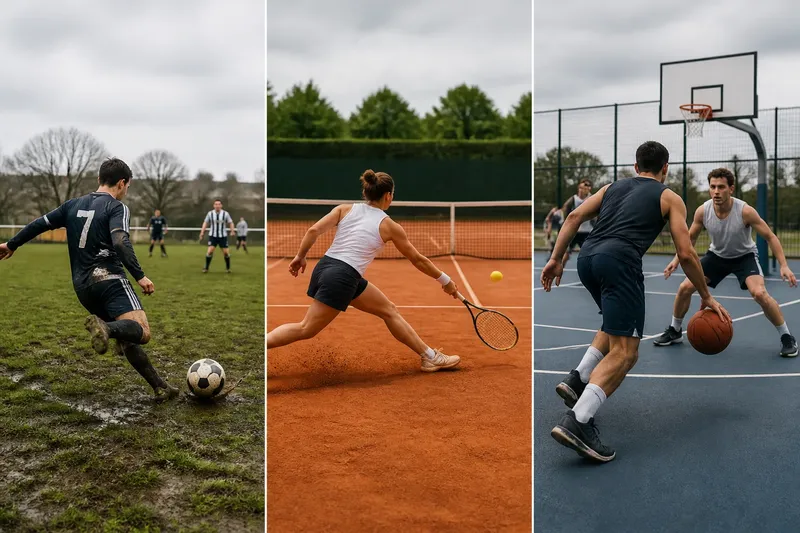
Say you arrive at a small court where players are preparing to serve and the audience has gone quiet. You put your phone away and wait until the point ends before applauding. Your reaction then fits the moment without interrupting a player’s concentration.
Applause depends on what the crowd is recognizing
Applause can celebrate a skillful play, encourage an athlete, welcome a participant, or mark the end of a contest. A clap aimed at an opponent’s mistake, missed attempt, or injury can instead feel like ridicule. The gesture may look the same, but its target and timing change its meaning.
Before joining in, identify what prompted the response. If people are applauding a strong effort, a brief clap may be welcome. If the moment involves someone who is hurt or visibly struggling, give them room and let event staff or officials handle any needed assistance. Concern does not need to become a public display.
As a participant, you can recognize a rival’s good play with a calm acknowledgment rather than an exaggerated celebration. And if you react spontaneously, there is no need to make a scene of correcting yourself; simply let your next response better fit the moment.
Rivalry can be lively without making a person the target
Some fans favor songs, teasing, and call-and-response; others focus on the contest and keep remarks to themselves. A visitor might mistake energetic rivalry for hostility, or excuse genuinely personal abuse as ordinary fan culture. Context helps, but it does not make every remark harmless.
Separate support for a team from attacks on an individual. A chant about team colors or a familiar rivalry is different from remarks about someone’s identity, private life, or physical vulnerability. If you do not understand a chant, do not join it. If you are with children or someone who feels uncomfortable, move to a calmer area if one is available rather than trying to resolve a dispute with strangers.
If a comment seems threatening or discriminatory, use the venue’s established way to ask for help, such as speaking with an usher, steward, or event staff member. Avoid escalating the exchange yourself. Supporting your side does not require making another spectator feel unsafe.
Greetings work best when they leave room for choice
Some clubs expect a handshake after a match; others favor a nod, a brief “Good game,” or no formal exchange. Personal space, religious practice, and individual preference can also shape what feels comfortable. A customary gesture is not an obligation for every person.
Offer a friendly verbal acknowledgment and let the other person decide whether to add a handshake or another gesture. If they decline contact, accept that without turning it into a debate. If you are attending a formal club event or bringing a visiting team, ask the organizer about the usual greeting beforehand.
A clear acknowledgment can carry goodwill without requiring touch. That makes it useful when people share a game but not the same habits.
How do you respond to unfamiliar sporting customs?
How can you tell whether a crowd is being respectfully quiet?
Notice whether the silence returns at a recurring point, such as an athlete’s attempt or an official’s signal. If it does, hold conversation until play resumes or the crowd breaks its silence.
Is it rude to cheer for a visiting team?
Supporting a side is normal at many events. Keep your encouragement focused on the play rather than using it to provoke people seated nearby.
What should you do if you accidentally interrupt play?
Stop the disruptive action and acknowledge it briefly if needed. Then let the match continue; a long explanation can draw more attention than the interruption.
Should you copy a chant if you do not know what it means?
No. Listen first and join only if you understand its words and target. If it feels personal or hostile, support your side another way.
Joining a game means learning its informal routines
A rulebook explains the contest, but it rarely covers every habit that helps a group share practice time. Players may have a preferred way to rotate, call the score, collect equipment, or settle a minor disagreement. In a recreational game, participants often maintain those routines themselves.
Ask the host or a teammate a specific question before play begins: “How do you rotate after this game?” or “Who calls the score?” If you miss a cue, pause and ask rather than imposing a routine from another setting. Keep feedback focused on the next action, and use the group’s agreed process if a disagreement arises.
Imagine you join an unfamiliar doubles game and assume the next pair steps onto the court immediately after a point. You notice that the group waits until the previous players collect their gear and confirm the score. You ask where the next pair should stand, then follow that sequence. The result is a clearer handoff and fewer crossed signals, without treating that court’s routine as a rule for every game.
Respect local customs without surrendering your boundaries
Adapting to a group’s rhythm does not mean copying everything you see. You can decline contact, chants, or conduct that conflicts with your comfort while still respecting the event. A calm explanation is often enough; if a repeated problem affects your ability to participate, ask an organizer for help.
For universal sporting etiquette, the useful habit is to distinguish an unfamiliar preference from conduct that targets or excludes someone. Arrive with time to understand the event, ask a host when a routine is unclear, and choose responses that let other people enjoy the game too.
One final courtesy is to leave space for people to take part differently. A quiet spectator need not be uninterested, and a declined handshake need not be a slight. Treating those differences as ordinary makes shared games easier for everyone.